

Hit and Run


$1,000,000
ConstructionAccident

$300,000
Condominium SlipAnd Fall

$260,000
Dog Bite
$117,500
Car Accident inRetail Store
$125,000
Sidewalk Slip and Fall
$279,000
Construction Accident
$450,000
Motorcycle Accident
$300,000
Slip and Fall (Restaurant)
$100,000
Pedestrian Car Accident
$200,000
Pedestrian Car Accident
$100,000
Car Accident
$260,000
RV AccidentHit and Run Accident: What You Need to Know
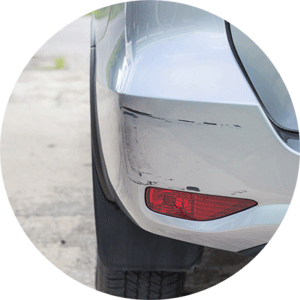
A hit-and-run accident occurs when a driver involved in a collision fails to provide the required information or flees the scene. In California, the definition extends beyond immediate flight to include instances where the responsible party fails to exchange specific details such as their name, insurance info, and driver’s license number. Understanding the full scope of hit-and-run laws can protect you as a victim or help defend against false accusations.
What Defines a Hit and Run Accident?
In California, a hit and run involves any collision with property, pedestrians, or other vehicles where the responsible driver does not provide their personal information, including:
- Name and driver’s license number
- Insurance details (provider and policy number)
- License plate number
If the responsible party leaves without providing this information, it can be classified as a hit and run, even if no immediate flight occurs. For property damage cases, these details are often sufficient, but in some instances, the at-fault driver must also file a police report.
Why Do Drivers Flee the Scene?
Drivers may flee a hit-and-run accident for several reasons:
- Lack of insurance: Drivers without proper insurance may fear facing legal and financial consequences.
- Criminal background: The responsible party may have outstanding warrants or be involved in other criminal activities.
In California, a hit and run can result in serious penalties. Fines can reach up to $5,000, along with suspension or revocation of the driver’s license and potential jail time. Severe injury, bodily harm, extensive property damage, or fatalities often escalate the charge to a felony.

How Hit and Run Drivers Are Tracked
While tracking down a hit-and-run driver can be challenging, several strategies are employed:
- Surveillance footage: Video from stoplight cameras, storefronts, and other security sources may capture crucial details.
- Eyewitness reports: Eyewitnesses can provide descriptions or photos of the vehicle or driver involved.
Advanced vehicle technology: High-end cars, like Teslas, often have built-in 360-degree cameras that could aid in identification.
Steps to Take if You’re a Victim of a Hit and Run Accident
If you’ve been involved in a hit and run, take the following actions:
- Check for injuries: Ensure your health and the safety of others involved.
- Contact the police: Report the incident, especially if there are injuries.
- Gather information: Record the details of the incident, including damage to vehicles and other property.
- Document the scene: Take photographs of the accident, vehicles, and surroundings.
- Seek medical treatment: Document all healthcare costs if injuries are involved.
- Notify your insurance company: Report the accident and confirm your claim under the hit-and-run category.
- Consult a lawyer: Seek legal counsel from an experienced hit-and-run attorney in Los Angeles to explore your options for recourse.
If the driver can’t be located, your insurance policy may cover the damages if you have comprehensive coverage.
Protect Yourself in a Hit and Run Situation
Hit and run accidents are unfortunately common, especially in busy cities like Los Angeles, where an accident happens every 18 minutes on average. The best way to protect yourself in the event of a hit and run is to maintain full-coverage insurance and have a skilled hit and run lawyer ready to guide you through the legal process. If you’ve been the victim of a hit and run or if you’re dealing with a lawsuit for damages, contact Davidovich Law for expert legal advice.